

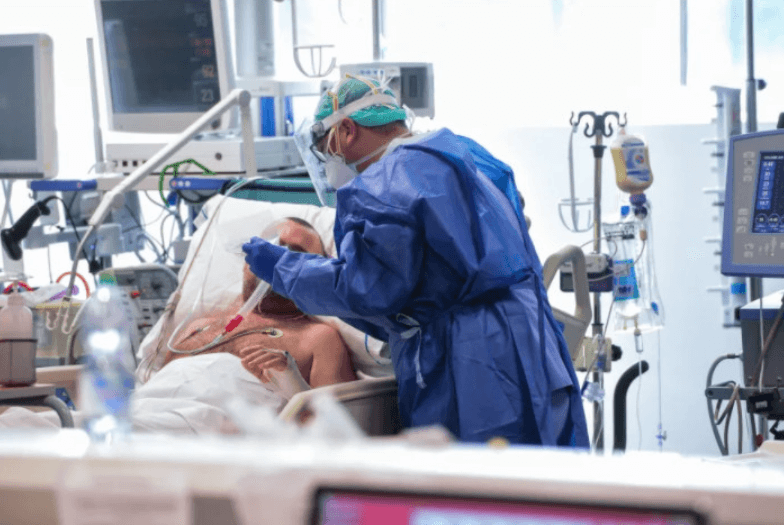
The advent of 3D printing technology has significantly transformed the landscape of healthcare and prosthetics. Customization in medical devices enables tailored solutions that meet individual patient needs, enhancing both comfort and functionality. Furthermore, the technology promises to streamline production processes, reducing costs and improving accessibility. As these advancements continue to evolve, the implications for patient care and clinical practices warrant closer examination. What challenges and opportunities lie ahead in this rapidly changing field?
Revolutionizing Medical Devices
As 3D printing technology continues to advance, it has begun to significantly transform the landscape of medical devices.
Surgical instruments and diagnostic tools are now being custom-designed for enhanced functionality and patient-specific needs.
This innovation not only reduces manufacturing costs but also shortens production timelines, enabling healthcare professionals to access high-quality, tailored solutions that foster greater autonomy in patient care and treatment planning.
See also: The Future of Work: How Technology Is Shaping Employment
Custom Prosthetics and Personalized Care
Custom prosthetics have emerged as a groundbreaking application of 3D printing technology, allowing for individualized solutions that cater to the unique anatomical and functional requirements of each patient.
Through adaptive design, these prosthetics enhance comfort and functionality.
Patient involvement in the design process fosters a sense of ownership and satisfaction, ultimately leading to improved outcomes and a more personalized approach to care.
Advancements in Tissue Engineering
The capabilities of 3D printing extend beyond custom prosthetics to the innovative field of tissue engineering, where this technology plays a pivotal role in the development of biocompatible scaffolds and complex tissue structures.
Advanced bioprinting techniques facilitate the precise arrangement of cells, promoting regenerative medicine by enabling the fabrication of functional tissues that can potentially replace damaged biological structures and enhance healing processes.
Cost Efficiency and Accessibility in Healthcare
While traditional manufacturing methods often result in high costs and extended lead times for medical devices and supplies, 3D printing offers a transformative solution that enhances cost efficiency and accessibility in healthcare.
Conclusion
As 3D printing continues to evolve, its potential to reshape healthcare and prosthetics remains tantalizing. The promise of further advancements in personalized medical solutions and tissue engineering ignites curiosity about the future of patient care. Will the next breakthrough enable even more complex structures to be created on-demand, or could it revolutionize entire treatment paradigms? The unfolding journey of this technology invites ongoing exploration, as its implications for accessibility and efficiency in healthcare are only beginning to be realized.




 How to Build a Successful Business Strategy