

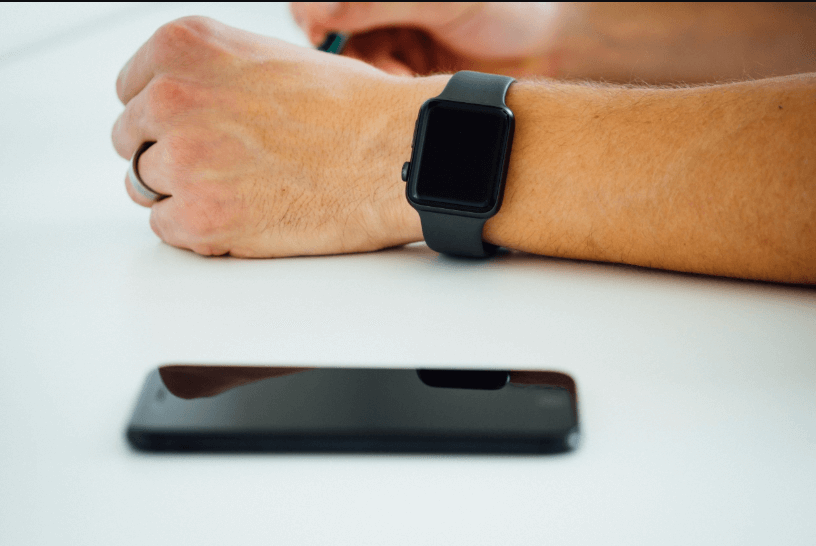
The future of smart wearables is marked by significant technological advancements. The integration of artificial intelligence and augmented reality is set to reshape how users interact with their devices. Enhanced health monitoring through biometric sensors promises personalized insights. Meanwhile, the demand for stylish and functional designs is driving innovation in materials and aesthetics. As these trends converge, the implications for user experience and engagement become intriguing. What might this mean for the everyday consumer?
The Integration of Artificial Intelligence in Wearables
As technology continues to evolve, the integration of artificial intelligence (AI) in wearables is transforming the landscape of personal health and fitness monitoring.
AI algorithms leverage predictive analytics to offer personalized experiences tailored to individual needs.
Through voice interaction, users can seamlessly access insights and recommendations, fostering a sense of autonomy and empowerment in managing their well-being, ultimately enhancing their fitness journeys.
Augmented Reality: The Next Frontier
Augmented reality (AR) is rapidly emerging as a pivotal technology in the realm of smart wearables, promising to revolutionize how users interact with their environment and personal data.
Enhanced Health Monitoring Through Biometric Sensors
The evolution of smart wearables has not only been marked by advancements in augmented reality but also by significant improvements in health monitoring through biometric sensors.
These devices enable real-time tracking of vital signs, providing users with personalized insights into their health.
This shift empowers individuals, fostering a proactive approach to wellness while enhancing the overall understanding of personal health dynamics.
Fashion Meets Functionality: The Evolution of Wearable Design
A growing number of consumers are increasingly seeking smart wearables that seamlessly blend aesthetics with advanced functionality.
This evolution emphasizes the use of sustainable materials, appealing to eco-conscious users.
Additionally, customizable aesthetics allow individuals to express personal style while benefiting from cutting-edge technology.
As design and utility converge, wearables are poised to redefine personal expression in the tech-driven landscape.
Conclusion
As the landscape of smart wearables evolves, the integration of AI and augmented reality is set to redefine user experiences significantly. Notably, a recent study predicts that the global wearable technology market will reach $60 billion by 2025, highlighting the growing consumer demand for innovative health and fitness solutions. This convergence of technology, style, and sustainability not only enhances personal wellness but also reshapes the way users interact with their devices, paving the way for a more immersive future.




 The Future of Technology in Consumer Electronics